Table Of Contents
What Is Poor Circulation in the Feet?
Poor circulation in the feet refers to reduced or restricted blood flow to the lower extremities. Blood circulation is responsible for delivering oxygen and nutrients to tissues while removing waste products. When this process is slowed or blocked, the feet are often the first area to show symptoms because they are farthest from the heart.
Common signs of poor circulation in the feet include:
- Tingling or “pins and needles” sensation
- Cold feet even in warm environments
- Numbness or reduced sensation
- Swelling in the ankles or feet
- Cramping or heaviness in the legs
In many cases, symptoms may develop gradually, especially in people with sedentary lifestyles or underlying health conditions.
Why Healthy Circulation in Feet Matters
Healthy blood circulation in the feet is essential for overall lower-body function and comfort. Blood carries oxygen and nutrients that muscles, nerves, and skin need to stay healthy. When circulation is strong, the feet feel warmer, lighter, and more energized.
Good circulation helps:
- Maintain healthy nerve function and sensation
- Support muscle performance and endurance
- Promote faster healing of cuts or injuries
- Reduce swelling and fluid buildup
- Prevent fatigue and discomfort during walking or standing
The calf muscles play a key role in this process by acting like a “pump” that helps push blood back toward the heart. When circulation is healthy, daily movement feels easier and more comfortable.
Common Causes of Poor Foot Circulation
Poor circulation in the feet can develop due to lifestyle habits, medical conditions, or age-related changes. Identifying the cause is important for improving blood flow effectively.
1. Sedentary Lifestyle
Long periods of sitting or inactivity reduce muscle movement, especially in the calves. This slows blood flow and can lead to pooling in the lower legs.
2. Smoking
Smoking damages blood vessels and causes them to narrow. This restricts blood flow and reduces oxygen delivery to the feet, often leading to coldness and delayed healing.
3. Diabetes
High blood sugar levels can damage blood vessels and nerves over time, leading to reduced circulation and numbness in the feet.
4. Peripheral Artery Disease (PAD)
PAD occurs when arteries become narrowed due to plaque buildup, limiting blood flow to the legs and feet. It can cause pain while walking and slow wound healing.
5. Varicose Veins and Vein Weakness
Weakened vein valves can cause blood to flow backward or pool in the legs, leading to swelling, heaviness, and discomfort.
6. Aging and Lifestyle Factors
As people age, blood vessels naturally become less flexible. Combined with low activity levels or poor diet, this can further reduce circulation.
When Poor Circulation May Be a Medical Concern
While mild circulation issues can often be improved with lifestyle changes, persistent or severe symptoms may indicate an underlying medical condition that needs attention.
Conditions Linked to Poor Circulation:
- Peripheral Artery Disease (PAD): Narrowed arteries reduce blood flow to the legs, often causing pain while walking and cold feet.
- Diabetes-related vascular damage: High blood sugar can affect both blood vessels and nerves, leading to numbness and slow healing.
- Varicose veins: Weak vein valves can cause blood pooling, swelling, and visible enlarged veins.
- Blood clots (Deep Vein Thrombosis): A serious condition where clots block blood flow, often causing sudden swelling, pain, or warmth in one leg.
Warning Signs to Watch For:
- Persistent numbness or tingling in the feet
- Severe or worsening leg pain, especially while walking
- Skin discoloration (bluish, pale, or darkened skin)
- Non-healing wounds or ulcers on the feet
- Sudden swelling in one leg
- Constant cold feet accompanied by pain
If any of these symptoms occur, early medical evaluation is important. Timely diagnosis can help prevent complications and protect long-term vascular health.
Ways to Improve Circulation in Your Feet Naturally
Poor circulation in the feet can lead to numbness, tingling, swelling, cramps, cold feet, fatigue, and discomfort when walking. Healthy blood flow is important because it delivers oxygen and nutrients to your muscles, nerves, and skin while helping remove waste products.
The good news is that simple daily habits can help support circulation naturally. Movement, hydration, temperature control, and lifestyle changes all play a role in improving blood flow to the lower legs and feet.
1. Walk Daily
Walking is one of the easiest and most effective ways to improve circulation in the feet and legs. Every step activates the calf muscles, which act like a “second heart” by helping push blood back toward the heart.
Brisk walking may help:
- Increase blood flow to the lower extremities
- Reduce stiffness and swelling
- Support healthy vein function
- Improve muscle oxygen delivery
Even a 20–30 minute walk each day can make a difference. If you sit for long hours, short walking breaks throughout the day may also help prevent blood pooling in the legs.
2. Perform Ankle Pumps
Ankle pumps are simple exercises where you point your toes away and then pull them back toward your shin repeatedly. This movement activates the calf muscles and encourages venous return.
Research shows ankle pump exercises can significantly improve lower-limb blood flow velocity.
How to do it:
- Sit or lie comfortably
- Point toes forward
- Pull toes back toward the shin
- Repeat for 1–3 minutes
This is especially useful for:
- People with sedentary jobs
- Travelers on long flights
- Older adults
- Individuals recovering from injury
3. Elevate Your Feet
Elevating your feet above heart level helps gravity assist blood return from the lower legs. This can help reduce:
- Swelling
- Heaviness
- Fluid buildup
- Leg fatigue
Try placing your feet on pillows for 15–20 minutes after standing or sitting for long periods.
Foot elevation may be particularly helpful for people who experience:
- Mild edema
- Tired legs
- Varicose vein discomfort
4. Try Calf Raises
Calf raises strengthen the calf muscles, which are critical for pumping blood upward through the veins.
How to do them:
- Stand upright
- Slowly rise onto your toes
- Hold briefly
- Lower back down
- Repeat 10–15 times
Strong calf muscles improve circulation efficiency and may help prevent blood stagnation in the legs.
Research on venous return shows active lower-leg movement increases blood flow velocity significantly more than passive movement.
5. Stay Hydrated
Dehydration can make blood thicker and harder to circulate efficiently. Drinking enough water helps maintain healthy blood viscosity and circulation.
Proper hydration may help:
- Improve vascular function
- Support healthy blood pressure
- Reduce cramping
- Enhance oxygen delivery
General hydration tips:
- Drink water consistently throughout the day
- Increase intake during exercise or hot weather
- Limit excessive alcohol and sugary drinks
6. Wear Compression Socks
Compression socks apply gentle pressure to the legs and ankles, helping blood move upward more efficiently. They are commonly used to support circulation and reduce swelling.
Benefits may include:
- Less leg fatigue
- Reduced swelling
- Better venous return
- Improved comfort during long sitting periods
Compression garments are especially useful for:
- Travelers
- Office workers
- Pregnant women
- Older adults
10 Proven Ways to Improve Circulation in Legs & Feet
7. Quit Smoking
Smoking damages blood vessels and restricts circulation. Nicotine causes blood vessels to constrict, reducing oxygen and nutrient delivery to the extremities.
Poor circulation linked to smoking may contribute to:
- Cold feet
- Slow wound healing
- Peripheral artery disease
- Increased cramping
Quitting smoking can improve vascular health over time and support healthier circulation throughout the body.
8. Keep Your Feet Warm
Cold temperatures naturally constrict blood vessels, reducing circulation to the hands and feet. Keeping your feet warm may help blood vessels relax and widen.
Helpful strategies include:
- Wearing insulated socks
- Using warm foot soaks
- Avoiding walking barefoot on cold floors
- Keeping indoor temperatures comfortable
Warmth may help reduce:
- Tingling
- Numbness
- Cold sensations
- Foot stiffnes
9. Avoid Sitting Too Long
Long periods of sitting can slow blood flow and cause blood to pool in the lower legs.
Experts often recommend:
- Standing every 30–60 minutes
- Stretching regularly
- Taking short walking breaks
- Moving your ankles while seated
Sedentary behavior is associated with reduced venous return and circulation problems.
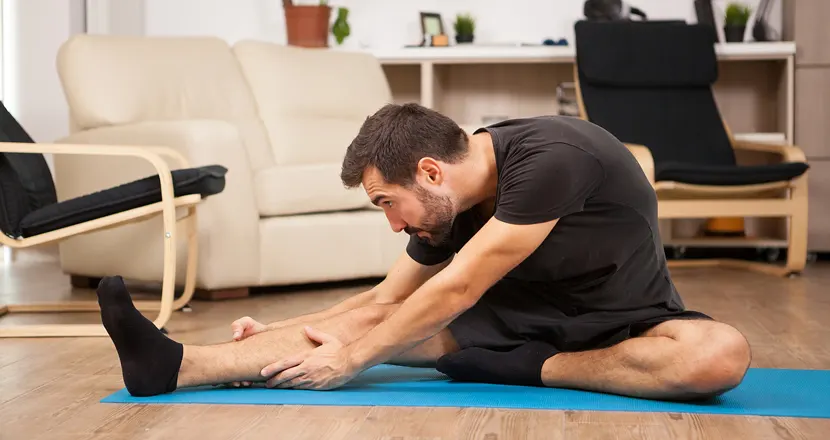
10. Stretch and Massage Your Feet
Stretching and massage can stimulate circulation by encouraging movement of blood through muscles and soft tissues.
Helpful techniques include:
- Foot circles
- Toe stretches
- Rolling feet on a massage ball
- Gentle calf massage
- Using a body brush
Massage may also help reduce muscle tightness and temporarily improve local blood flow.
Studies show active foot and ankle movement improves venous return and circulation efficiency.
Improving circulation in your feet often starts with simple habits: moving more, staying hydrated, exercising the calf muscles, and avoiding prolonged sitting. Consistency matters more than intensity. Small daily actions can support healthier blood flow, reduce discomfort, and improve overall foot health over time.
Conclusion
Improving circulation in the feet is largely about building simple, consistent daily habits. Regular movement such as walking, ankle pumps, and calf raises helps activate the natural “muscle pump” that pushes blood back toward the heart. Supporting habits like staying hydrated, wearing compression socks, elevating the feet, and avoiding long periods of sitting can further enhance blood flow and reduce discomfort.
Lifestyle choices also play a major role. Quitting smoking, keeping feet warm, and maintaining an active routine can significantly improve vascular health over time. While mild circulation issues can often be managed naturally, persistent or severe symptoms should not be ignored, as they may signal underlying medical conditions.
Overall, small but consistent actions can make a noticeable difference in foot comfort, energy levels, and long-term circulation health.





 This article changed my life!
 This article was informative.
 I have a medical question.
 This article contains incorrect information.
 This article doesn’t have the information I’m looking for.