Table Of Content
Introduction
Modern lifestyles have made physical inactivity one of the most common health concerns among men. Long working hours, extended sitting, stress, and reduced daily movement can negatively affect circulation. When blood flow slows down, the body may experience reduced energy, muscle stiffness, and even performance-related concerns linked to vascular health.
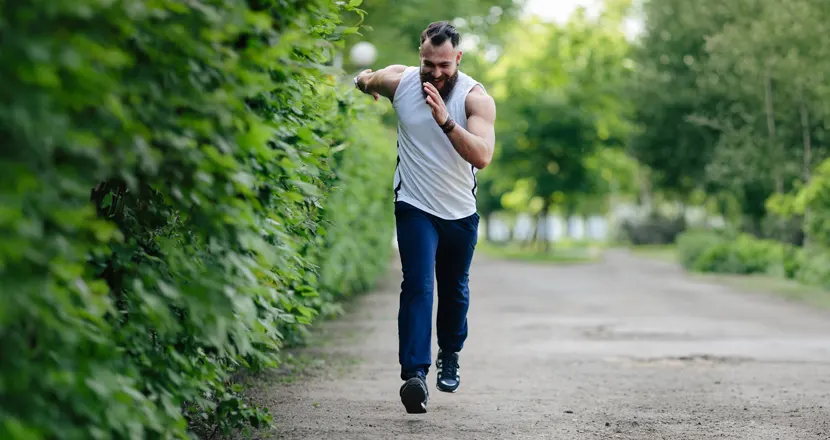
Many health experts now recommend simple, sustainable activities rather than intense workouts. One of the most accessible solutions is walking. Research and practical experience both suggest that walking to improve circulation can be a powerful yet underrated strategy for supporting cardiovascular health and male performance naturally.
Unlike high-impact exercises, walking works gently with the body, improving blood movement without excessive strain. Over time, this consistent activity strengthens the heart, enhances vascular flexibility, and promotes better oxygen delivery throughout the body.
Key Highlights
- Walking supports healthy blood circulation.
- Improves cardiovascular and vascular function.
- Helps reduce sedentary lifestyle effects.
- Supports natural male performance.
- Boosts stamina and daily energy.
- Easy and sustainable daily exercise.
Why Circulation Matters for Male Wellness
Healthy circulation ensures that oxygen and nutrients reach muscles, organs, and tissues efficiently. For men, proper blood flow is especially important because vascular health directly influences stamina, endurance, and natural physical performance.
When circulation becomes poor, the body struggles to maintain optimal functioning. Blood vessels may become less flexible, and oxygen transport slows down, affecting overall vitality.
Improved circulation supports:
- Better cardiovascular efficiency
- Increased physical energy
- Improved recovery after activity
- Healthy vascular response
- Natural support for male performance
Since circulation is closely connected to heart health, lifestyle-based solutions like walking play a significant role in long-term wellness.
How Walking Stimulates Blood Flow in the Body
Walking activates large muscle groups, particularly in the legs and hips. Each step causes muscles to contract and relax, acting like pumps that help move blood back toward the heart.
This repeated motion improves venous return — the process of circulating blood efficiently throughout the body. As heart rate rises moderately during walking, arteries expand slightly, allowing smoother blood movement.
Over time, regular walking helps:
- Strengthen the heart muscle
- Improve vessel elasticity
- Reduce stiffness caused by inactivity
- Enhance oxygen circulation
Unlike sudden intense exercise, walking encourages gradual cardiovascular adaptation, making it ideal for consistent improvement.
Walking and Its Role in Supporting Erectile Health
Erectile performance depends heavily on vascular function. Healthy arteries allow adequate blood flow when needed, while restricted circulation may interfere with normal physiological responses.
Walking supports vascular health by improving endothelial function — the inner lining of blood vessels responsible for regulating blood flow. When this system works efficiently, circulation improves naturally.
Men who maintain daily walking routines often experience:
- Better stamina levels
- Reduced stress impact
- Improved metabolic health
- Enhanced confidence through physical activity
Walking does not act as a quick fix but supports long-term improvements by addressing one of the root causes of circulation-related concerns.
Common Causes of Poor Circulation in Men
Understanding the causes helps explain why simple movement like walking becomes so effective.
Many circulation problems develop gradually due to lifestyle habits rather than medical conditions alone.
Major contributing factors include:
- Sedentary desk jobs
- Lack of daily movement
- Excess body weight
- Chronic stress
- Poor sleep patterns
- Limited outdoor activity
Walking directly counteracts these factors by reintroducing regular movement into daily routines.
Best Walking Techniques to Improve Circulation
1. Maintain a Steady Pace
A brisk but comfortable pace increases heart rate without causing exhaustion. The goal is steady movement rather than speed.
2. Engage Natural Arm Movement
Swinging arms naturally improves upper-body circulation and promotes better rhythm.
3. Focus on Posture
Keep shoulders relaxed, back straight, and eyes forward to allow efficient breathing and blood flow.
4. Walk Consistently
Short daily walks are more beneficial than occasional long sessions.
How Much Walking Is Needed for Better Blood Flow?
Consistency matters more than duration. Even moderate walking routines can create noticeable improvements when practiced regularly.
A balanced walking routine may include:
- 20–30 minutes daily walking
- 5 days per week minimum
- Gradual increase in pace over time
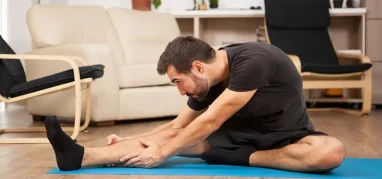
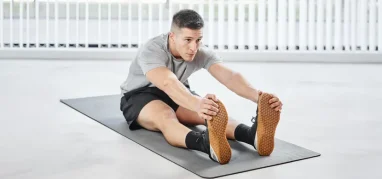
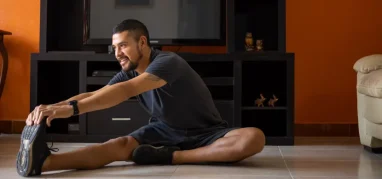
- Light stretching after walks
Men new to exercise can begin with shorter sessions and slowly increase duration as stamina improves.
Additional Benefits Beyond Circulation
- Weight management
- Stress reduction
- Improved sleep quality
- Better mood regulation
- Enhanced metabolic function
Signs Walking Is Improving Your Circulation
- Warmer hands and feet
- Increased daily energy
- Reduced muscle stiffness
- Better exercise endurance
- Improved recovery time
Combining Walking with Other Healthy Habits
- Drinking adequate water daily
- Eating nutrient-rich foods
- Reducing prolonged sitting time
- Managing stress through relaxation techniques
- Maintaining regular sleep patterns
Building a Sustainable Walking Routine for Long-Term Results
The biggest advantage of walking is sustainability. Unlike complex fitness programs, walking fits easily into daily schedules. Morning walks, evening strolls, or short breaks during work hours all contribute to improved circulation.
Creating a routine that feels natural increases consistency, which ultimately determines success. Over time, walking becomes less of an exercise and more of a lifestyle habit supporting long-term male wellness.
Conclusion
Walking is one of the simplest yet most effective ways to enhance circulation and support male health naturally. By improving cardiovascular efficiency, strengthening blood vessels, and encouraging consistent movement, walking addresses key lifestyle factors that contribute to poor blood flow.
Men looking for a safe and sustainable approach to improving vitality and circulation can benefit greatly from making walking a daily habit. Small, consistent steps often lead to significant long-term improvements in overall health and physical performance.





 This article changed my life!
 This article was informative.
 I have a medical question.
 This article contains incorrect information.
 This article doesn’t have the information I’m looking for.