Introduction
Testosterone is a crucial hormone for men, affecting energy, muscle mass, sex drive, mood, and overall quality of life. Low energy, decreased libido, and physical weakness can all be signs of low testosterone.
This guide covers everything you need to know about testosterone symptoms, testing methods, normal ranges, and what to do if your levels are low.
Key Highlights
- Testosterone tests diagnose hormonal problems
- Low testosterone can cause symptoms such as fatigue, reduced sex drive and muscle atrophy
- It’s important to test total and free testosterone levels
- Testosterone can be boosted by lifestyle changes
- The test is easy, cheap and accessible
What Is a Testosterone Test?
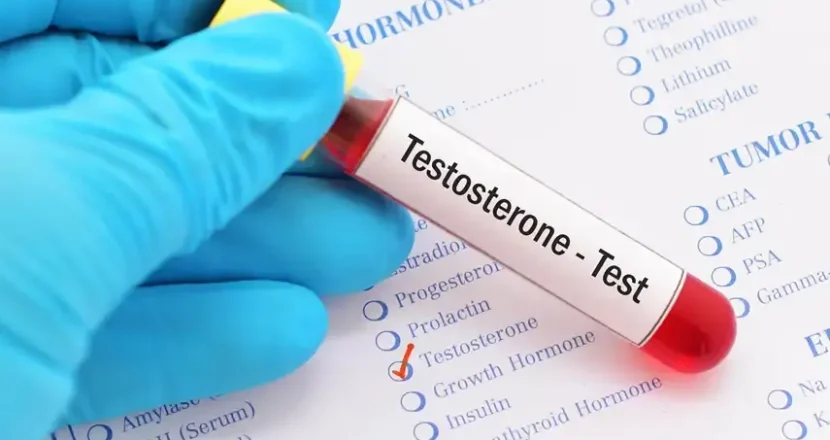
A testosterone test is a blood test used to measure the level of testosterone in your body. It helps diagnose hormonal imbalances, especially low testosterone (hypogonadism).
Main Types of Testosterone Tests
- Total Testosterone Test – Measures the total amount of testosterone in the blood (both bound and free)
- Free Testosterone Test – Measures the active testosterone available for use
Total vs Free Testosterone
The two different measurements you’ll see when you check your test results are total testosterone and free testosterone.
Total testosterone levels are blood levels of all the testosterone in your system. This consists of the protein-bound (sex hormone-binding globulin [SHBG] bound and albumin bound) and small amounts of free testosterone.
Free testosterone is the amount of unbound testosterone. Free testosterone is the active form biologically, so it is the most available form that can be used by your body’s tissues.
A person can have normal total testosterone, but low free testosterone because they have high levels of SHBG. That’s why, together with the symptoms of low testosterone, healthcare providers might decide to have both measurements taken.
Knowing both values will give you a more comprehensive overview of your hormone levels.
Why You Should Test Your Testosterone Levels
Testing your testosterone levels can help identify hormonal imbalances that affect:
- Energy levels
- Muscle growth
- Sexual performance
- Mood and mental clarity
- Fertility
Early testing allows timely treatment and helps prevent long-term health complications.
When to Get Tested Your Testosterone Levels
You should consider testing if you experience:
- Low sex drive or erectile dysfunction
- Fatigue and low energy
- Loss of muscle mass
- Increased body fat
- Mood swings or depression
- Difficulty concentrating
These are common indicators of low testosterone levels.
Types of Testosterone Tests
Total Testosterone Test
Measures both bound and free testosterone levels in your blood.
Free Testosterone Test
Determines the amount of testosterone that is active and usable by the body.
SHBG (Sex Hormone Binding Globulin) Test
Measures the amount of testosterone bound to proteins (inactive form).
Doctors may recommend a combination of these tests for accurate diagnosis.
Normal Testosterone Levels by Age
Testosterone levels naturally decline with age. While “normal” ranges vary slightly between laboratories, the following chart provides a general reference for total testosterone levels.
| Age | Typical Total Testosterone Range (ng/dL) |
|---|---|
| 20–29 years | 300–1,000 |
| 30–39 years | 300–950 |
| 40–49 years | 250–900 |
| 50–59 years | 250–850 |
| 60 years and older | 200–800 |
Keep in mind it’s important to note that a normal lab value does not necessarily indicate that a man’s testosterone is at an optimal level. Treatment is based on your symptoms, medical history, physical exam and blood tests.
Always use the reference range supplied by the laboratory that has run the tests, as the reference range may vary from laboratory to laboratory when interpreting your results.
Best Time to Test Testosterone
The results of a blood test to measure testosterone can be affected by the timing of the test. Testosterone is normally produced in the body in a diurnal (daily) pattern. In most men, levels are highest in the early morning, and then decline during the day.
For most people, the optimal time for blood to be drawn is between 7:00 AM and 10:00 AM, particularly for men under 45 years old. In older people, the level of testosterone fluctuates less during the day, but it is preferred to conduct the test in the morning.
If the first test also shows a low level of testosterone, your doctor will probably want to retest on another morning. Testosterone levels can fluctuate temporarily due to poor sleep and acute illness, stress and heavy exercise.
Takeaway: If possible, always test your blood in the morning for the level of testosterone, and as directed by your healthcare provider, schedule repeat tests.
How to Prepare for a Testosterone Test
Proper preparation helps ensure your testosterone test results are as accurate as possible.
Before your appointment:
- Schedule your blood draw in the early morning.
- Get a full night’s sleep before the test.
- Avoid strenuous exercise for 24 hours beforehand.
- Limit alcohol consumption the day before testing.
- Inform your healthcare provider about any medications or supplements you’re taking— especially testosterone therapy, anabolic steroids, corticosteroids, opioids, or hormone-related medications.
- If your provider recommends fasting, follow those instructions carefully.
Although fasting isn’t always required for a testosterone blood test, your doctor may order additional blood work that does require fasting.
Being well-rested and healthy on the day of testing helps reduce the risk of obtaining an artificially low testosterone result.
At-Home vs Lab Testosterone Testing
If you’re concerned about low testosterone, you have two main testing options: at-home testosterone test kits and laboratory blood tests.
| At-Home Test | Laboratory Test |
|---|---|
| Convenient and performed at home | Performed at a medical laboratory or clinic |
| Usually involves a finger-prick blood sample or saliva sample | Uses a venous blood sample, which is generally more accurate |
| Good for initial screening | Considered the gold standard for diagnosis |
| May require follow-up confirmation | Results can be interpreted alongside other hormone tests |
Test Your Testosterone Levels without Seeing a Doctor
1. Look At Your Ring Finger
No, this is not a joke! Longer ring fingers are in relation to higher testosterone levels and bigger penis length. Now, take a look at your fingers by straightening them out and closing the space between them making sure your palms are facing away from you. Focus on the difference in length between the index and ring finger. The longer your ringer finger is in relation to the index finger, the higher the testosterone.
2. Check Your Body Fat Percentage
Body fat contains aromatase, an enzyme that converts testosterone into estrogen. Having too much estrogen floating around in your body slows down the production of testosterone. This explains why men whose testosterone levels are decreasing start accumulating fat, especially in the abdominal area. A study whose findings in the Journal of Endocrinological Investigation found that higher testosterone is linked to lean body mass while increased fat mass is strongly related to lower testosterone in aging men.
An accurate way to test testosterone level and check it is to measure your body fat percentage. For this purpose, you can use a body fat calculator. In order to check the body fat percentage, it is necessary to enter info such as gender, weight in pounds, and circumference of the waist, wrist, hip, and forearm. Then, click calculate, and that is it.
3. Check The Smell Of Your Sweat
Your testosterone levels are in relation to a large majority of processes in the body, including sweat. Men with higher testosterone counts produce more apocrine sweat. This sweat is produced by apocrine glands that are concentrated in the underarm and genital regions. These glands remain inactive until they are stimulated by hormonal changes in puberty.
Evidence shows that high levels of 5alpha-reductase in apocrine sweat glands are in relation to higher testosterone and play a central role in the anabolic activity of androgens. Sweat from these glands stinks. Basically, if your sweat has an unpleasant odor, then your testosterone levels are okay. On the other hand, if the sweat is odorless, the levels of this hormone have decreased.
4. Check The Size Of Your Testicles
Testosterone levels have a major impact on the size and shape of your testicles. That happens because this much-needed hormone is produced in your testicles, meaning you should pay more attention to their size.
Generally, if your testicles are smaller and atrophied, you are highly likely to have lower testosterone. On the other hand, if your testicles are big and full, the levels of this hormone are high.
So, stand in front of a mirror and focus on the size of the testicles in order to easily determine whether testosterone production decreased or not. It’s easy, but at the same time, an accurate method.
5. Check The Quality And Frequency Of Your Erections
Your erections are driven by testosterone, which is why impaired production of this hormone affects erectile function at the same time. Studies show that androgens play a vital role in erectile function because the period when the prevalence of erectile dysfunction increases strongly correlates with a decrease in testosterone levels. Lower levels of this hormone reduce the frequency, amplitude, and rigidity of your erections.
Basically, the higher the testosterone levels, the easier it for you is to achieve and maintain erections. A good way to test testosterone levels is to monitor your erections and keep track of their frequency and quality. Do you achieve them regularly? Can you maintain your erections or do you ejaculate too quickly? Did the frequency of your erections decrease? Don’t shy away from keeping track of the erections in a notebook or phone notes.
6. Check Your Breast Size
When testosterone production decreases, the levels of estrogen go higher explaining the onset of problems such as loss of muscle mass, increased body fat, and women-like characteristics such as larger breasts.
Man boobs, or moobs for short, are a common side effect of low testosterone and a great indicator that you should work to restore hormonal balance. According to a study published in the Indian Journal of Endocrinology and Metabolism about 30% of men will experience gynecomastia, man boobs, at some point in their life.
Again, stand in front of a mirror, take off your shirt and focus on the chest area. Do you have toned pecks or have the size and shape of the breast area started to change? Answer this question honestly, test your testosterone level, and you’ll have more insight into it. Don’t let this problem affect your self-esteem. Remember, with regular exercise you can tone your body, including the chest area, and enhance testosterone production.
7. Check The Semen Volume
Testosterone doesn’t only play a role in your erections, but the quality and amount of semen volume. You will be surprised to know that only a low amount of sperm is produced in your testicles. A great portion of sperm-containing fluid released through the ejaculatory duct comes from seminal vesicles, two glands located near the prostate, and the prostate gland itself.
When testosterone levels are sufficient, these three parts work together to produce the semen you ejaculate. Any interruption to this process, including low testosterone, affects the amount of semen that comes out during ejaculation. When having sex or masturbating, feel free to check and keep track of semen volume.
Cost of Testosterone Test
- Typical cost: $50 – $200
- Comprehensive hormone panels may cost more
How to Interpret Testosterone Test Results
- 300–1000 ng/dL – Normal range
- Below 300 ng/dL – Low testosterone
- Above 1000 ng/dL – High testosterone (rare)
Always consult a healthcare professional for proper interpretation.
Understanding Your Test Results
Receiving your testosterone test results can be confusing. Here’s what the numbers generally mean.
Normal Testosterone
If your testosterone level falls within your laboratory’s reference range and you’re not experiencing symptoms, treatment is usually unnecessary.
Borderline Low Testosterone
A borderline result may require repeat testing, especially if symptoms are present. Your healthcare provider may also order additional hormone tests to determine the underlying cause.
Low Testosterone
Persistently low testosterone levels accompanied by symptoms such as low libido, erectile dysfunction, fatigue, decreased muscle mass, or reduced bone density may indicate testosterone deficiency (hypogonadism).
Your doctor will typically confirm the diagnosis based on two morning blood tests, before recommending treatment.
High Testosterone
High levels of testosterone are less often seen and can be caused by the use of anabolic steroids, hormone replacement therapy, some medical conditions or, rarely, tumours producing high levels of the hormone—additional testing might be required.
Keep in mind that your healthcare provider considers the symptoms of your condition, along with your blood test result, when making a diagnosis.
Other Blood Tests Ordered with Testosterone
If your testosterone level is abnormal, your healthcare provider may order additional blood tests to identify the underlying cause.
These tests may include:
- Free Testosterone – Measures biologically active testosterone.
- SHBG (Sex Hormone-Binding Globulin) – Helps determine how much testosterone is available for use.
- LH (Luteinizing Hormone) – Evaluates whether the testes are receiving proper hormonal signals.
- FSH (Follicle-Stimulating Hormone) – Assesses testicular function and fertility.
- Estradiol (Estrogen) – Elevated levels can contribute to symptoms such as gynecomastia.
- Prolactin – High prolactin may suppress testosterone production.
- Thyroid Function Tests – Thyroid disorders can produce symptoms similar to low testosterone.
- Complete Blood Count (CBC) – Often performed before starting testosterone replacement therapy.
Together, these tests help healthcare providers determine whether low testosterone is caused by testicular disorders, pituitary conditions, medications, obesity, or other health problems.
What Happens After a Low Result?
A single low testosterone result does not automatically mean you have low testosterone syndrome.
If your blood test is below the normal range, your healthcare provider may:
- Repeat the testosterone test on another morning.
- Review your symptoms and medical history.
- Order additional hormone tests.
- Identify reversible causes such as obesity, sleep apnea, medications, chronic illness, or excessive alcohol consumption.
- Discuss treatment options if low testosterone is confirmed.
Depending on the cause, treatment may involve lifestyle changes, treating an underlying medical condition, or testosterone replacement therapy (TRT). TRT is not appropriate for everyone, so treatment decisions should always be individualized after discussing the benefits and potential risks with your healthcare provider.
Lifestyle Factors That Affect Testosterone
A lot of what happens with testosterone comes down to how you live day to day. That doesn’t mean lifestyle alone will fix a clinically low reading. It won’t. But it does move the needle, and for plenty of men the everyday stuff is where the problem started.
What tends to pull levels down:
- Extra body fat, especially around the middle
- Bad sleep, or sleep apnea nobody’s caught yet
- Stress that just keeps going
- Drinking more than the occasional few
- Smoking
- Sitting all day and barely moving
- Certain medications, opioids and long-term corticosteroids among them
- Eating badly, or slashing calories way too far
What tends to push them back up:
- Losing weight if you’re carrying too much
- Lifting something heavy a few times a week
- Seven to nine hours of sleep, actual sleep
- Real food with enough protein, fat, vitamins and minerals in it
- Some outlet for stress, gym or meditation or whatever works for you
- Cutting back on drinking, dropping tobacco
And the payoff isn’t only hormonal. Fix these and your metabolism, your heart and your fertility all benefit from the same changes.
Final Thoughts
Testing your testosterone levels is essential for maintaining optimal health, energy, and performance. Whether you have symptoms or not, early testing helps you stay proactive and in control of your hormonal health.







 This article changed my life!
 This article was informative.
 I have a medical question.
 This article contains incorrect information.
 This article doesn’t have the information I’m looking for.